What is Tung Tung Tung Sahur? The AI-Generated Meme Captivating Children Worldwide
Tung Tung Tung Sahur has taken TikTok by storm. We explore why this mysterious wooden creature wielding a baseball bat has become a viral sensation among children worldwide.
“Tung Tung Tung Sahur!” shouts a wooden creature swinging a baseball bat. Since early 2025, this bizarre character has exploded in popularity among children. During school breaks, the mysterious phrase “Tung Tung Tung” echoes through playgrounds, while confused parents ask, “What on earth is that?”
This Tung Tung Tung Sahur actually originated as an AI-generated Indonesian meme on TikTok in late February 2025, recording over 31 million views in just a few weeks1. It has now become a major cultural phenomenon captivating children worldwide, including Japan.
What is Tung Tung Tung Sahur?
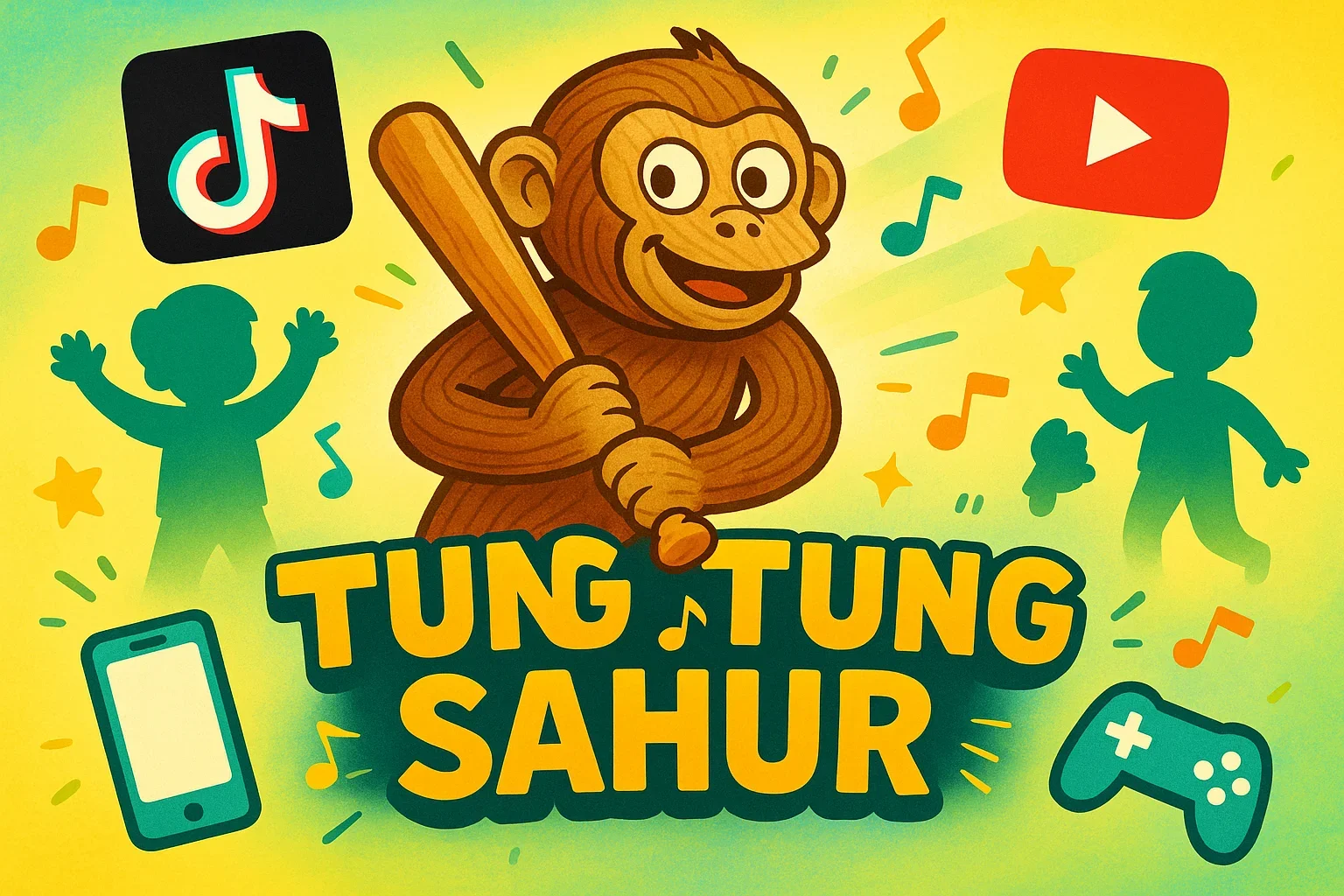
Tung Tung Tung Sahur is a fictional character created through AI technology. It appears as a creature with a wooden texture, monkey-like features, and is always depicted holding a baseball bat. Accompanied by Indonesian narration, it captures viewers’ attention with movements that are both eerie and somehow comical.
This character belongs to a genre of internet memes called “Brain Rot,” content so bizarre and incomprehensible that it gives viewers the sensation of their “brain rotting.” Particularly popular among younger generations, Tung Tung Tung Sahur is specifically classified within a sub-genre called “Italian Brain Rot”1.
The name’s origin is also fascinating. “Tung Tung Tung” is an onomatopoeia representing the sound of a drum called “bedug” used in Indonesian and Malaysian culture during Ramadan. This drum is beaten to signal the time for “Sahur” (or Suhoor), the pre-dawn meal, meaning Tung Tung Tung Sahur translates to “the sound of the drum announcing Sahur time”2.
Why is it So Popular Among Children?
There are multiple reasons why Tung Tung Tung Sahur has captivated children worldwide.
1. Simple and Catchy Phrase
The phrase “Tung Tung Tung Sahur” has an unforgettable catchiness. Children share a sense of camaraderie by repeatedly shouting this phrase with friends. Many parents report bewilderment as their children endlessly repeat “Tung Tung Tung” at home3.
2. Interactive Gaming Content
Tung Tung Tung Sahur has evolved beyond being just a video character into various games. The “Tung Tung Game” features horror elements where players collect Gold Tungs while avoiding being caught by Tung Tung, striking a perfect balance of being “simple yet slightly scary” that captures children’s hearts2.
Additionally, popular pinball games have been adapted with Tung Tung Tung Sahur characters, creating content enjoyable in various formats.
3. Spread by YouTubers and Gaming Streamers
Popular YouTubers have further boosted awareness by posting videos featuring Tung Tung Tung Sahur. Videos showing Tung Tung Tung Sahur in Minecraft worlds have become particularly viral, with a surge of children wanting to “play Minecraft in a world with Tung Tung Tung Sahur”3.
4. Real-World Expansion Through Merchandise
Breaking out of the online world, Tung Tung Tung Sahur merchandise including plush toys, keychains, and t-shirts are now available. The 37cm plush toy, described as “scary yet funny,” has become popular as Christmas presents and Halloween decorations3.
Position in Internet Meme Culture
Tung Tung Tung Sahur symbolizes modern internet meme culture. With advances in AI technology, anyone can easily generate strange and memorable characters that spread instantly worldwide through social media.
This character is often compared to “Burbur Patapim” (a creature covered in wood and moss), another popular Brain Rot category character, with internet discussions about “power scaling” between the two1. These debates themselves generate new memes, extending the content’s lifespan.
The Tung Tung Tung Sahur phenomenon also provides an interesting case study of how children embrace internet culture and find their own ways to play with it. While adults may find the content incomprehensible, children adopt it as their own culture, giving it new meaning through school and friend interactions.
Educational Perspective: Impact and Response
The Tung Tung Tung Sahur trend has had various impacts on educational settings. While some teachers complain about students shouting “Tung Tung Tung” during class, there are also positive approaches to this phenomenon.
For example, some educators use it as an opportunity to learn about Indonesian culture or as teaching material for media literacy education to understand how internet memes form and spread. The idea is to leverage content that captivates children to create deeper learning opportunities.
Parents are encouraged not to simply dismiss it as “something weird” but to watch the content with their children and discuss why they find it entertaining. This can be a good opportunity to bridge generational gaps.
Future Outlook and Concerns
While Tung Tung Tung Sahur’s popularity is expected to continue, several concerns have been raised.
First, there are copyright and ethical issues with AI-generated content. When commercially used characters have unknown creators, the question of who receives the revenue remains unresolved.
Additionally, experts continue to debate the impact of excessive Brain Rot content consumption on children’s critical thinking and creativity. While moderate entertainment is fine, excessive dependence should be avoided.
Tung Tung Tung Sahur embodies the unexpected ways AI and global internet culture converge to create new forms of entertainment. This AI-generated Indonesian Ramadan character becoming a worldwide children’s phenomenon demonstrates how digital culture transcends linguistic and cultural boundaries in ways traditional media never could.
Rather than dismissing it as mere “Brain Rot,” the phenomenon reveals important truths about modern childhood: digital natives create their own cultural touchstones, find community through shared absurdist humor, and seamlessly blend global influences with local traditions. While concerns about AI-generated content’s impact on young minds are valid, Tung Tung Tung Sahur also represents children’s remarkable ability to transform even the most unusual content into tools for creativity, social bonding, and cross-cultural exchange. In an era of increasing digital isolation, perhaps there’s value in any shared experience that makes children laugh together across continents.
Such internet-born cultural phenomena will undoubtedly continue to emerge. What’s important is not to dismiss new culture outright but to try to understand its background and meaning. Through Tung Tung Tung Sahur, we can learn much about how modern digital culture relates to children.
Sources
- トゥントゥントゥンサフールとは?意味や元ネタを徹底解説! - MEMO BLOG (Detailed explanation article)
- トゥントゥンゲーム - The Byan Official Game
- 息子ついて質問です。なんか息子がトゥントゥントゥントゥンサフー… - Yahoo! Answers
Was this article helpful?
Thank you!
Received. Thank you!