OpenAI to Acquire Ona (Formerly Gitpod) - Adding a Persistent Execution Layer for Long-Running Codex Agents
OpenAI announced on June 11, 2026 that it has agreed to acquire cloud development environment company Ona, integrating secure infrastructure that lets agents keep working in a customer's cloud even after the laptop is closed.
OpenAI announced on June 11, 2026 that it has agreed to acquire Ona, a company building cloud execution environments, bringing its secure cloud execution and orchestration technology into the Codex ecosystem, OpenAI’s AI coding platform1. The financial terms of the transaction have not been disclosed4.
Ona is the rebranded form of the company previously known as cloud development environment provider Gitpod, which adopted the new name in September 20253. According to OpenAI’s announcement, the acquisition is subject to customary closing conditions, including receipt of required regulatory approvals, and the two companies will remain separate and independent until closing. After closing, the Ona team will join OpenAI and work with the Codex team1.
Why Codex Needs a “Persistent Place to Work”
In the announcement, OpenAI disclosed that more than 5 million people now use Codex each week, up 400% from earlier this year1. Codex began as a tool for software developers, but a wider range of people now use it to research, analyze, build, and automate their work1.
Behind the acquisition is the lengthening duration of agent work. OpenAI explains that “as Codex becomes more capable, its most valuable work is unfolding over hours or days, rather than minutes”1. The company believes people should be able to delegate ambitious work without remaining tied to the machine where it began, with agents continuing past the initial session while users check progress and provide direction from anywhere1.
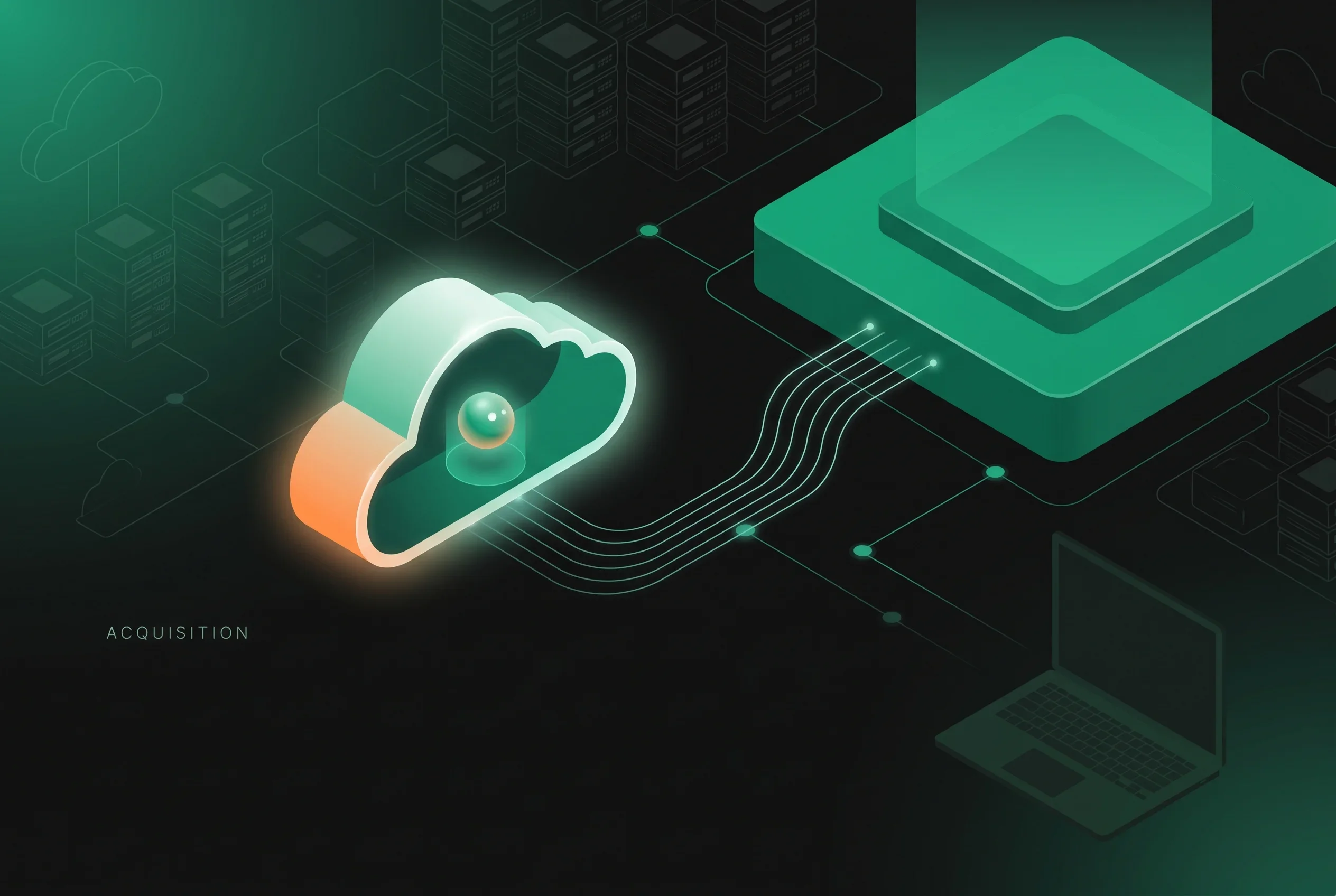
Ona’s technology covers exactly this part. It provides secure, persistent environments where agents can access the tools, systems, and context they need to make progress over time, enabling agents to continue working inside a customer’s cloud environment even when laptops are closed1.
Who Is Ona? The Pivot from Gitpod
Ona’s predecessor Gitpod was known as a cloud development environment provider that moved software development from local machines into the cloud, and the company has helped 2 million developers work in secure, reproducible cloud environments1.
On September 2, 2025, the company renamed itself Ona and shifted its focus to serving as a management foundation for software engineering agents3. Co-founder and CEO Johannes Landgraf said at the time of the rebrand, “IDEs defined the last era. Agents define the next.”3
Growth after the pivot was rapid: according to Ona, production agent sessions grew 13x since the start of the year, and the company had signed major enterprise customers including one of the oldest banks in the United States, a large European pharmaceutical company, and a large Asian sovereign wealth fund2.
A Customer-Controlled Execution Model as the Key to Enterprise Deployment
What OpenAI emphasizes in this acquisition is Ona’s customer-controlled execution model. Agents operate inside an organization’s own cloud environment while OpenAI provides the intelligence and orchestration that power the experience1. OpenAI explains that organizations should have control over where agents run, what they can access, how credentials are scoped, how activity is logged, and how work moves through review1.
Landgraf commented, “Agents need more than intelligence; they need a trusted workspace,” saying that joining OpenAI lets the company bring that foundation into Codex1. Thibault Sottiaux, Core Products Lead at OpenAI, also said, “Enterprises want powerful agents that can do real work while meeting the security and control requirements of their environments,” pointing to the goal of making Codex easier to deploy securely across production workflows1.
As a post-acquisition vision, OpenAI says it will help engineering teams safely take on sustained work across the software lifecycle, from running tests and resolving issues to modernizing applications and addressing vulnerabilities1. Ona states it will continue honoring its existing commitments to customers, with no service interruption planned through closing2.
Consolidation Continues in the Developer Tools Industry
The AI coding tools industry is seeing a wave of consolidation premised on long-running, parallel agent execution. Recent examples include Cursor maker Anysphere’s acquisition of code review company Graphite and Cognition’s rebrand of Windsurf as “Devin Desktop,” as companies shift their center of gravity from one-shot code completion to agent management platforms. This acquisition can be seen as OpenAI moving to own not just model capability but also the infrastructure layer that keeps agents running safely inside enterprises.
The deal still requires regulatory approval, and how Codex will incorporate Ona’s execution environment after integration remains to be announced. The story of the Gitpod-to-Ona transition is available in the company’s rebrand announcement3, and details of the acquisition are in OpenAI’s official announcement1.
Sources
- OpenAI to acquire Ona - OpenAI official announcement (June 11, 2026)
- Ona is joining OpenAI - Ona official blog (June 11, 2026)
- Gitpod is now Ona: your AI software engineer - Ona official blog (September 2, 2025)
- OpenAI agrees to acquire AI cloud startup ‘Ona’, team will join Codex division - The Tech Portal (June 11, 2026)
Was this article helpful?
Thank you!
Received. Thank you!